Short answer: In 2026, a 1-carat lab-grown diamond costs roughly $700 to $1,500 for the loose stone, depending on cut, color, and clarity. A complete 1-carat engagement ring — stone plus setting — typically runs about $1,300 to $2,800. For comparison, a similar-quality 1-carat natural diamond costs around $4,000 or more.
1-carat lab-grown diamond price by quality
The biggest price drivers are the 4Cs. Here's a realistic 2026 range for the loose stone:
| Quality tier | Approx. price (1 ct loose) |
|---|---|
| Budget (G–I color, VS–SI clarity) | $600–$800 |
| Mid (E–F color, VVS–VS clarity) | $800–$1,100 |
| Premium (D color, VVS clarity, ideal cut) | $1,100–$1,500 |
Prices are approximate 2026 market ranges and shift with demand and shape.
What about the full ring?
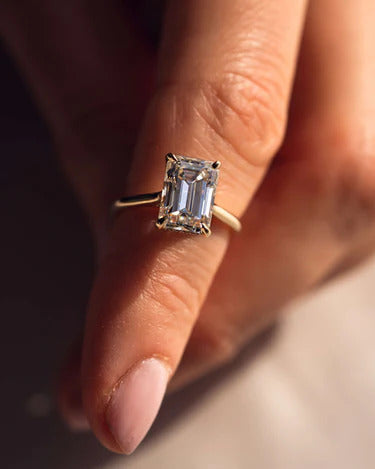
The stone is only part of the cost. A setting adds roughly $400 to $1,500+ depending on metal (14k vs 18k gold, platinum), design complexity, and any accent stones. A simple solitaire keeps costs down; halos, pavé, and three-stone designs add more.
How to get more diamond for your money
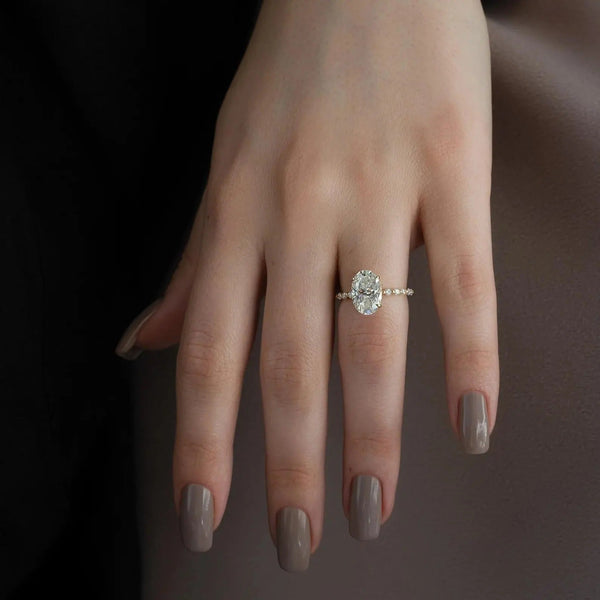
Choose an elongated shape — oval, pear, elongated cushion, or marquise — which looks larger per carat and often costs less than a round of equal quality. You can also drop from D to F color (still colorless to the eye) and from VVS to VS clarity (still eye-clean) to stretch your budget without a visible difference.
Shop transparently priced stones
At Mapple Gems, each ring is made to order, so you pick the exact carat, quality, and setting for your budget. Browse our lab-grown diamonds and engagement rings to build your piece.
Frequently asked questions
Why is a 1-carat lab-grown diamond so much cheaper than natural?
Lab-grown diamonds can be produced in weeks in controlled facilities, so supply is abundant. They're chemically identical to mined diamonds but cost a fraction because there's no rarity premium.
Does a 1-carat lab-grown diamond look the same as a natural one?
Yes — identical to the eye and under a jeweler's loupe, since they share the same chemical and optical properties. Only specialized equipment distinguishes them.
What's the cheapest way to get a 1-carat look?
Pick an elongated fancy shape and a slightly lower (but still eye-clean) color and clarity grade. This maximizes visual size for the lowest price.
Leave a comment