Engagement Rings
What a Ring Costs After You Buy It
Nobody quotes the twenty-year figure — and the specification you choose on day one decides most of it.
Written by the Mapple Gems workshop, Surat · Updated 19 September 2026
Short answer
Over twenty years a daily-wear ring typically needs a bench check every two years, re-tipping once or twice, possibly a reshank, and — if it is white gold — replating every one to two years, which is the largest recurring cost most people never anticipate. Insurance runs annually on top. The single biggest lever is the specification: a 2 mm shank in yellow or rose gold costs far less to own than a thin white gold one, and the difference compounds every year.
Ring buying is discussed entirely as a purchase. It is closer to owning something mechanical — there is a running cost, it varies enormously with what you bought, and almost nobody is told the figure in advance.
The recurring costs, in order of size
| Item | How often | Avoidable? |
|---|---|---|
| Rhodium replating (white gold only) | Every 1–2 years, forever | Yes — choose yellow, rose or platinum |
| Insurance premium | Annual | No, and worth paying |
| Bench check | Every 2 years | No — skipping it costs more |
| Re-tipping prongs | Years 6–10, then again | Reducible with heavier prongs |
| Repolishing | Optional, every few years | Yes — and worth doing sparingly |
| Reshanking | Years 15–20, if at all | Largely — buy 1.8–2 mm |
| Resizing | As the finger changes | Partly — avoid full eternity |
The biggest long-term cost in ring ownership is rhodium plating, and it is entirely a metal-choice decision made on day one. White gold is not naturally white — it is a yellowish alloy plated with rhodium to look bright. That plating wears through, first on the underside of the shank where contact is constant, and the ring gradually shows a warm shadow underneath while staying white on top. Replating is not expensive individually. But it recurs every one to two years for as long as the ring is worn — call it ten to twenty times across a marriage — and each time the ring is away for a week or two. Nobody adds that up at the counter. Yellow and rose gold need it never. Platinum needs it never. This is the clearest example of a choice that looks free at purchase and is not: if the appeal of white gold is that it looks like platinum, price the plating over twenty years and compare against just buying platinum.
What actually drives the number
Shank thickness. A ring built at 1.8–2 mm may never need reshanking. One built at 1.2 mm probably will, and the repair costs far more than the metal saved at purchase. This is the single decision with the largest ownership consequence.
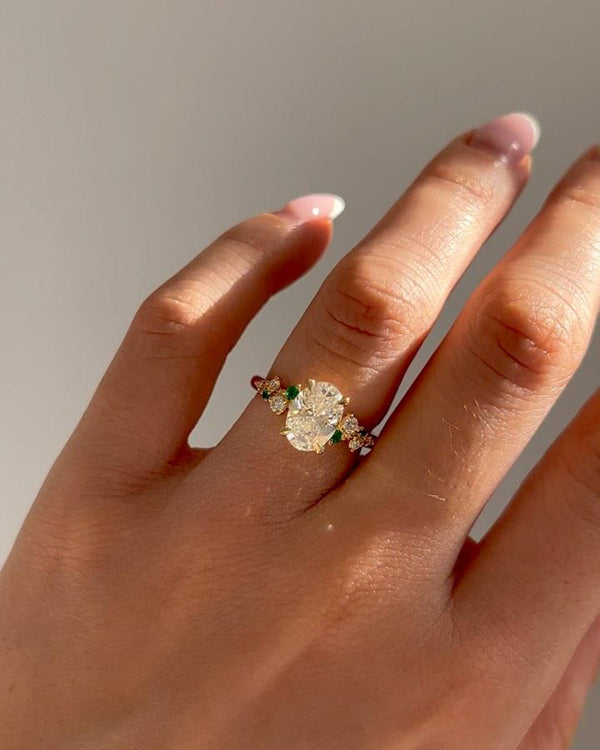
How many stones are set. Every set stone is a maintenance point. A plain band has essentially no running cost. A micropavé ring has forty small settings that each need occasional attention. Neither is wrong — but a full pavé ring is a commitment to periodic bench work in a way a solitaire is not.
Metal. Beyond the plating question: 14K resists deformation better than 18K, and platinum displaces rather than loses metal, so it marks sooner but lasts longer.
Whether you wear it for everything. The largest variable, and free to change. A ring removed for gardening, gym and cleaning ages at a fraction of the rate.
Costs that are not really costs
- Cleaning. Warm water, a drop of washing-up liquid and a soft brush from underneath. Professional cleaning is a service upsell for most pieces.
- Repolishing every year. Polishing removes metal. Doing it habitually thins a ring faster than wearing it does — and it softens hallmarks. Once every several years at most.
- Revaluation every year. Every three to five is enough — and for a lab grown stone the figure may have fallen, which can reduce a premium rather than raise it.
The one cost worth increasing
The two-year bench check. It is the cheapest item on the list and it prevents the expensive ones.
Prongs thin gradually rather than snapping, so a setter can see a problem years before it becomes a loss. A re-tip caught early is minor bench work; a stone lost from a worn prong is an insurance claim with an excess, a replacement that may not match, and a piece that is never quite the same. Nearly every stone-loss story we hear ends with someone saying the ring had not been looked at in a decade.
Buying for low ownership cost
- Shank at 1.8 mm or more, and ask for the figure in writing.
- Yellow, rose or platinum if the plating cycle does not appeal.
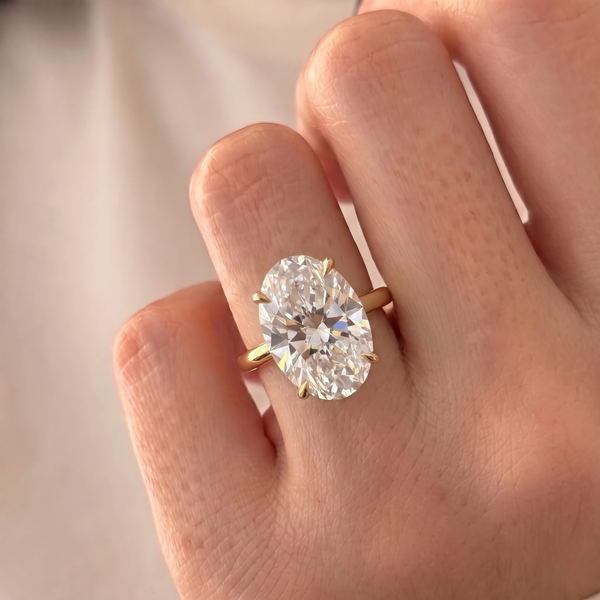
- Prongs over every point and corner, and heavier prongs on anything above 2 ct.
- Three-quarter rather than full eternity, so it stays resizable.
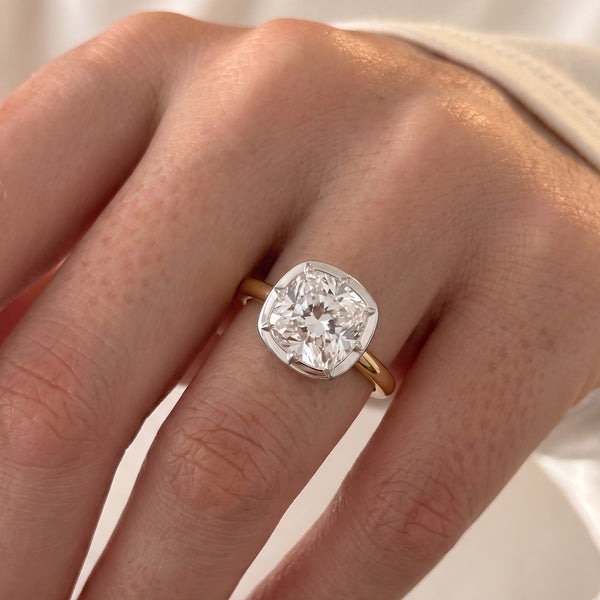
- Bezel or flush settings if you want stones with the least maintenance.
- A court-profile band, which is the free durability upgrade on any plain ring.
None of those cost meaningfully more at purchase. Together they are the difference between a ring that needs occasional attention and one that needs regular attention.
Keep reading
Frequently asked questions
What are the ongoing costs of owning an engagement ring?
A bench check every two years, re-tipping prongs once or twice across twenty years, possibly a reshank, annual insurance, and — for white gold only — rhodium replating every one to two years for as long as it is worn. The plating cycle is the largest recurring cost and the one people least anticipate.
Does white gold cost more to own than yellow gold?
Yes, over time. White gold is a yellowish alloy plated with rhodium, and that plating wears through — typically every one to two years, ten to twenty times across a marriage, with the ring away each time. Yellow gold, rose gold and platinum never need it.
How often should a ring be professionally checked?
Every two years for anything stone-set. It is the cheapest item on the maintenance list and it prevents the expensive ones — prongs thin gradually rather than snapping, so a setter can see a problem years before it becomes a lost stone and an insurance claim.
Should I have my ring polished regularly?
Sparingly — once every several years at most. Polishing removes metal, so doing it habitually thins a ring faster than wearing it does, and it softens hallmarks and hand-cut detail. Routine cleaning at home with warm soapy water and a soft brush achieves most of the visible improvement.
Ask us for the shank thickness in writing.
It is the specification with the largest effect on what the ring costs you after the invoice.
Leave a comment