Asscher & Old European Cuts: Vintage Brilliance
Two antique-inspired cuts for lovers of old-world elegance. Here's what sets them apart.
If your style leans vintage, Art Deco, or romantic, two cuts deserve your attention: the Asscher and the Old European. Both have heritage charm and a softer, more characterful sparkle than modern brilliants.
The Asscher cut
The Asscher is a square step cut with cropped corners and long, straight facets that create a striking “hall of mirrors” effect. It's clean, geometric, and quintessentially Art Deco — understated yet sophisticated. Because step cuts show clarity, they pair best with very clean stones (rarely an issue with high-grade moissanite).
The Old European cut
A forerunner of the modern round brilliant, the Old European cut has a smaller table, a taller crown, and chunkier facets. The result is a warm, romantic glow rather than the sharp flash of a modern round — perfect for an antique or heirloom-inspired look.
In short: choose the Asscher for crisp, geometric Art Deco glamour, and the Old European for soft, candle-lit vintage romance.
Prefer maximum modern sparkle instead? Compare every shape in our cut guide.
FAQs
What's the difference between Asscher and emerald cuts?
Both are step cuts, but the Asscher is square while the emerald is rectangular.
Are Old European cuts less sparkly?
They have a softer, warmer glow rather than sharp modern flash — many people love them precisely for that romantic character.
Old-World Elegance
Discover vintage-inspired moissanite rings, including Asscher cuts, with timeless character.
Shop Vintage Rings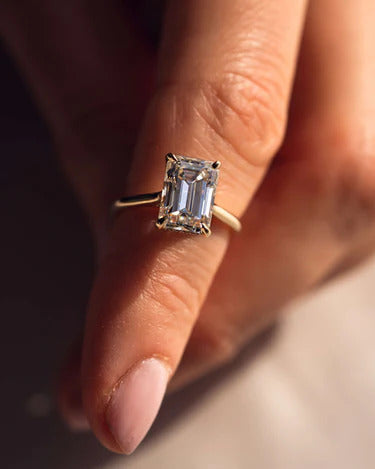
Leave a comment