Bezel vs Prong Settings
Two classic ways to hold a stone — one maximizes sparkle, the other protection.
Prong and bezel are the two most common ways to secure a center stone, and they suit different lifestyles. Knowing how they differ helps you pick the right one for your hands and habits. Here is the comparison.

Prong setting
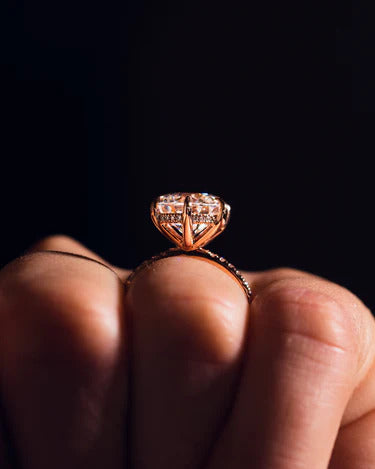
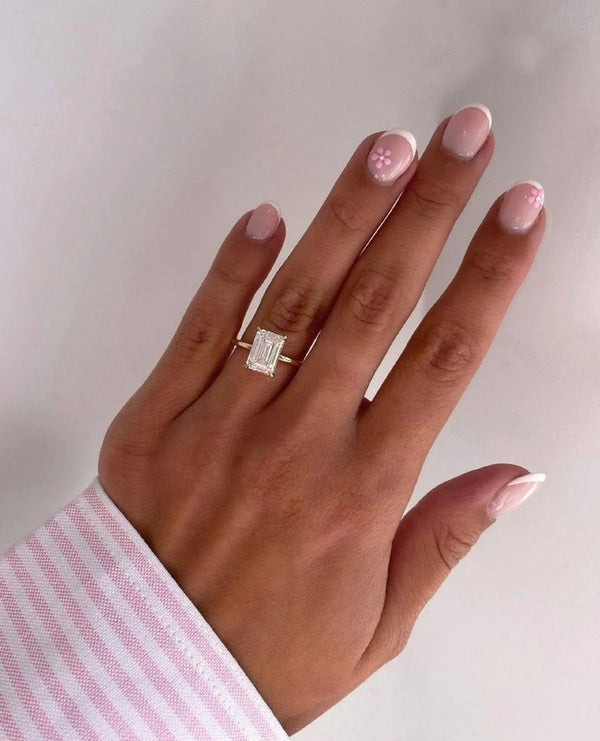
Little metal claws hold the stone at its edges, leaving most of it open to the light. Prongs maximize sparkle and show off the stone — the classic engagement-ring look. More on prong counts in 4 Prongs vs 6 Prongs.
Bezel setting
A bezel wraps a thin rim of metal around the stone's edge, holding it securely all the way around. It protects the stone, resists snagging, and gives a sleek, modern look — ideal for active hands. The trade-off is slightly less light entering from the sides.
Quick comparison
| Prong | Bezel | |
|---|---|---|
| Sparkle | Maximum | Slightly less |
| Protection | Moderate | Excellent |
| Snag risk | Higher | Very low |
| Look | Classic | Sleek, modern |
Which is right for you?
Love sparkle and a traditional look? Prong. Want a low-maintenance, protective, modern setting for an active life? Bezel. A basket setting is a nice middle ground.
FAQs
Is a bezel more secure than prongs?
Generally yes — the surrounding rim protects the stone's edges and resists snagging, making it great for active wear.
Which setting sparkles more?
Prongs — they leave more of the stone open to light, so a bit more brilliance comes through than with a bezel.
The Right Setting for You
Explore handcrafted moissanite rings in prong and bezel styles.
Shop Solitaire Rings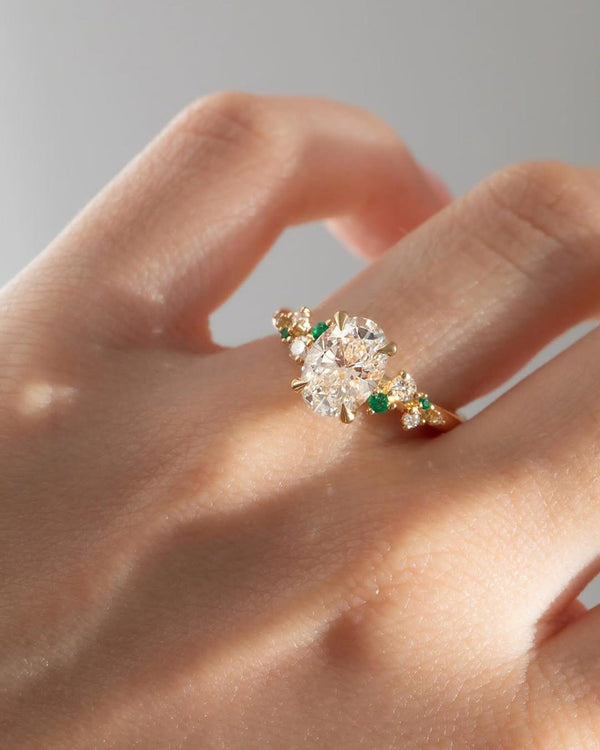
Leave a comment