4 Prongs vs 6 Prongs: Which Is Right?
A small choice that changes how secure your stone is — and how big it looks.
When you choose a prong setting, you usually pick between four prongs and six. Both hold the stone beautifully, but each has trade-offs in security, sparkle, and appearance. Here is how to decide.

Four prongs
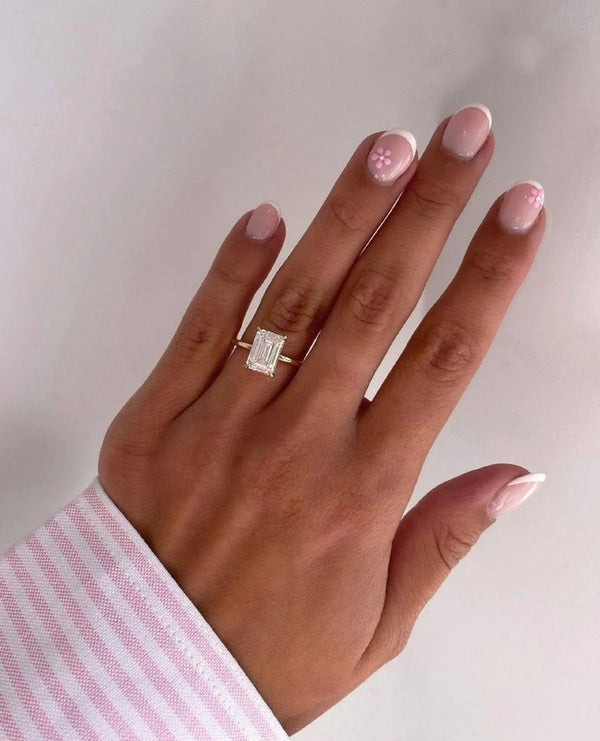
Four prongs cover less of the stone, so more of it is visible — the stone can look slightly larger and more open. The look is clean and modern. The trade-off: with fewer prongs, each one matters more for security.
Six prongs
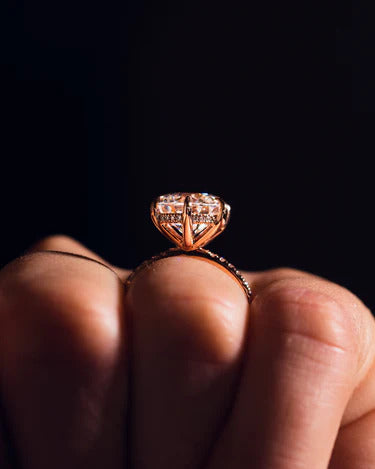
Six prongs grip the stone at more points, offering extra security and a classic, slightly rounder look. They cover a touch more of the stone, which can make it look marginally smaller but very safe — a favorite for round solitaires.
Quick comparison
| Prongs | Best for |
|---|---|
| Four | More visible stone, modern look, easier to clean |
| Six | Extra security, classic look, great for round stones |
Which should you choose?
If you want maximum sparkle and a larger-looking stone, four prongs are lovely. If peace of mind for an active lifestyle matters most, six prongs add security. Either way, a basket setting can combine prongs with a lower, snag-resistant profile.
FAQs
Are six prongs more secure than four?
Generally yes — more prongs mean more contact points, so a loose prong is less likely to risk the stone.
Do four prongs make a stone look bigger?
They can — covering less of the stone leaves more of it visible, which can read as slightly larger and more open.
Secure, Sparkling Settings
Explore handcrafted moissanite solitaire rings in classic prong settings.
Shop Solitaire Rings
Leave a comment