How Facets Create Sparkle
The simple optics behind why a well-cut stone lights up.
Ever wondered why one stone dances with light and another looks flat? The answer is facets — the tiny polished surfaces cut into a gem. Here is how they turn plain light into sparkle, explained simply.

Facets are tiny mirrors
Each facet acts like a small mirror inside the stone. Light enters through the top, bounces between the facets, and returns to your eye as bright flashes. The better the angles, the more light comes back.
Why cut quality matters most
If facets are cut at the right angles, almost all the light that enters is reflected back out the top — maximum brilliance. Cut too shallow or deep, and light leaks out the sides or bottom, leaving the stone dull. This is why cut is the biggest driver of sparkle, as covered in Gemstone Cut vs Shape.
Three kinds of light show
Facets produce brilliance (white light return), fire (flashes of color), and scintillation (the twinkle as the stone moves). Together they create the lively look we love. More on color flashes in our companion guide to dispersion.
Why moissanite sparkles so much
Moissanite bends and returns light especially strongly, so well-cut moissanite delivers intense brilliance and fire — one of its most loved traits. See more in The 4 Cs of Gemstone Quality.
FAQs
What makes a gemstone sparkle?
Facets cut at precise angles reflect light back to your eye. The better the cut, the more brilliance, fire, and twinkle.
Do more facets mean more sparkle?
Not necessarily — it is the precision of the angles, not just the count, that determines how much light returns.
See the Sparkle
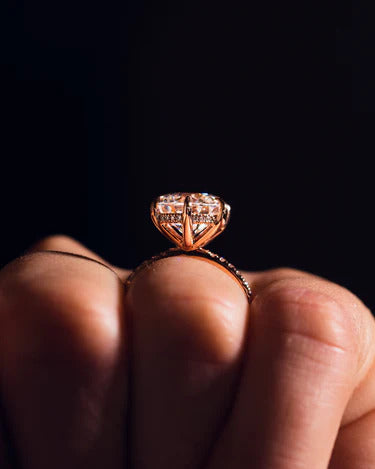
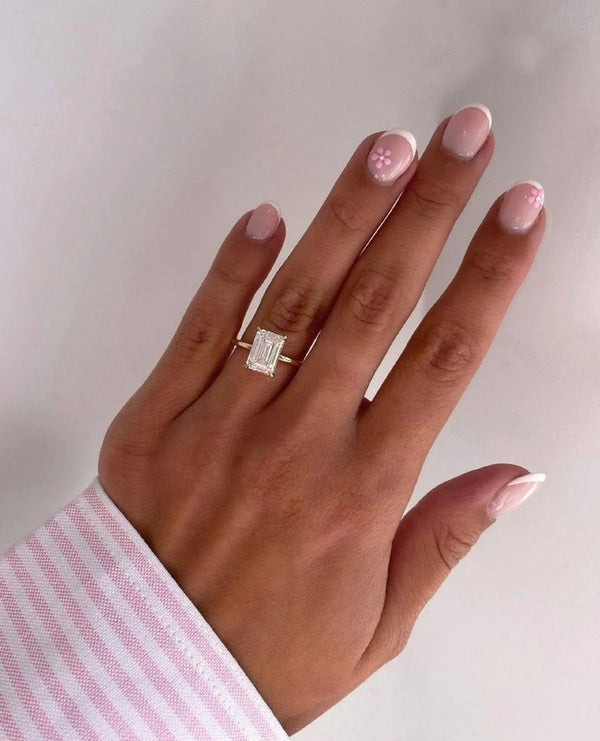
Explore handcrafted moissanite rings cut for maximum brilliance.
Shop Moissanite Rings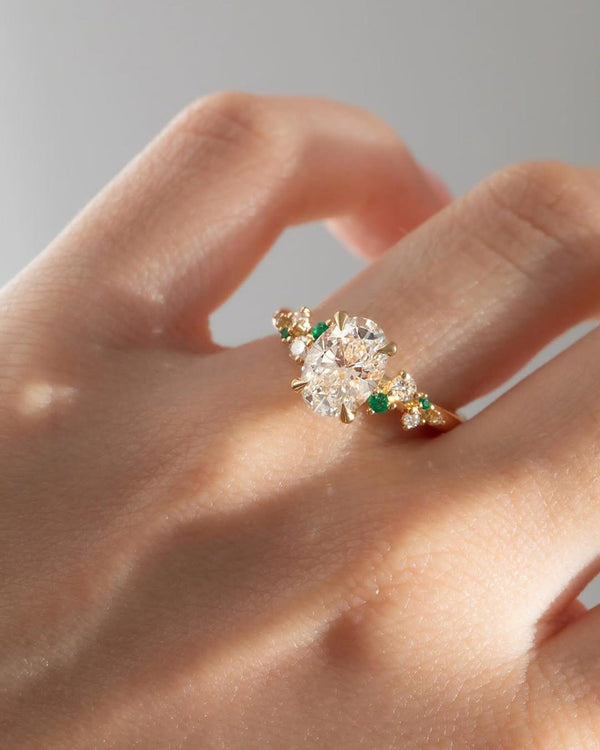
Leave a comment