Ring Setting Types Explained: Prong, Bezel, Pavé & More
How a stone is held shapes the whole ring. Here are the main setting types.
The “setting” is how a stone is held in place — and it affects sparkle, security, and style. Here's a clear guide to the most common ring settings.
Prong setting
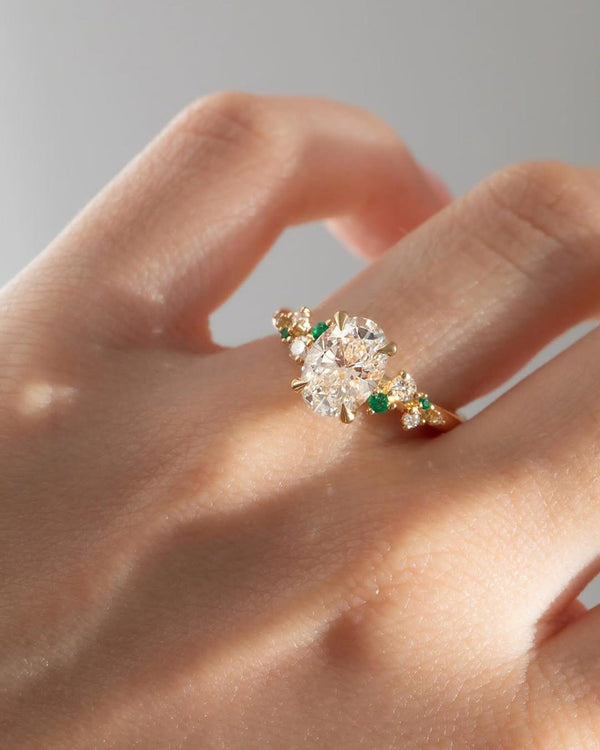
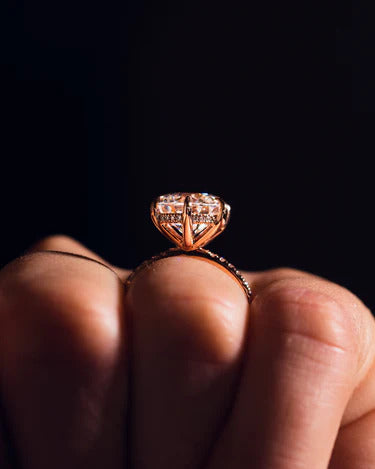
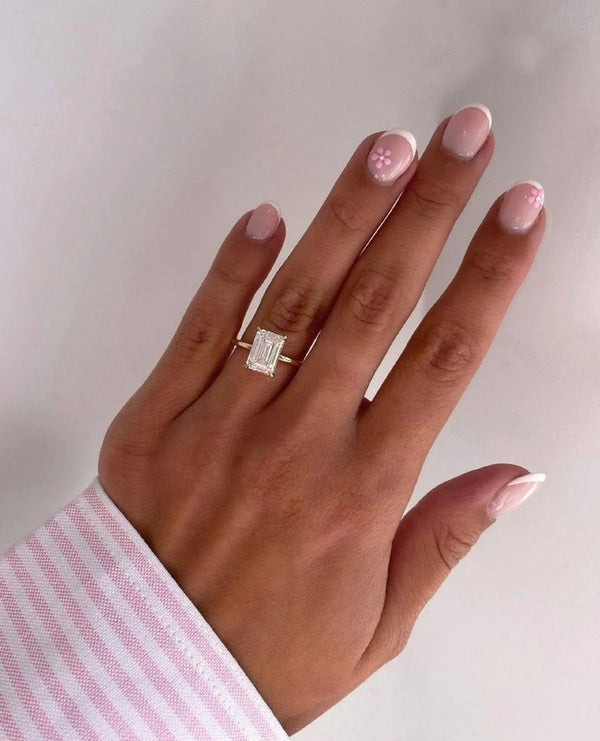
Small metal claws hold the stone, lifting it up to let in maximum light. It's the most popular setting for brilliance — classic and timeless.
Bezel setting
A rim of metal surrounds the stone's edge for a sleek, secure, snag-free look — great for active lifestyles. Learn more in What Is a Bezel Setting?
Pavé setting
Tiny stones set closely along the band add continuous sparkle around the center stone. Browse pavé rings.
Halo & three-stone
A halo rings the center stone with accents to boost size and sparkle; a three-stone flanks it with two side stones. Explore these in Engagement Ring Styles Explained.
Channel & flush
Channel settings nestle stones between two metal walls, and flush settings sink them into the band — both sleek and secure, popular for wedding bands and men's rings.
FAQs
Which setting is most secure?
Bezel and channel settings are among the most secure and snag-free, ideal for active lifestyles; prongs maximize sparkle.
Which setting sparkles the most?
Prong settings let in the most light for maximum brilliance, often paired with a halo or pavé for extra sparkle.
Leave a comment