
Save 20%
View details

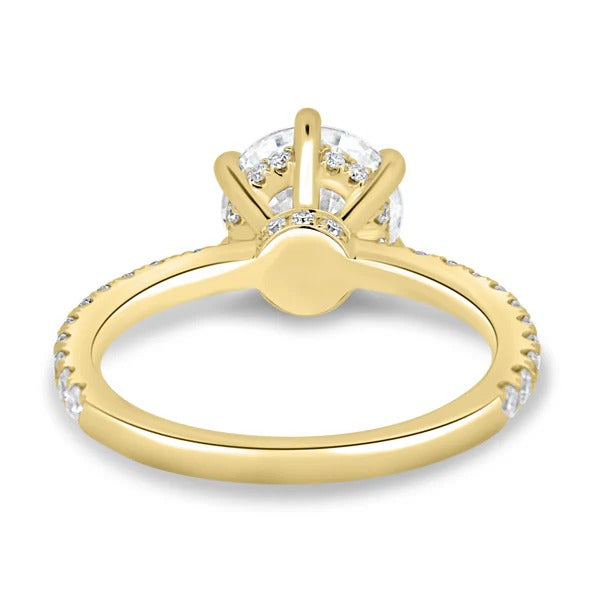
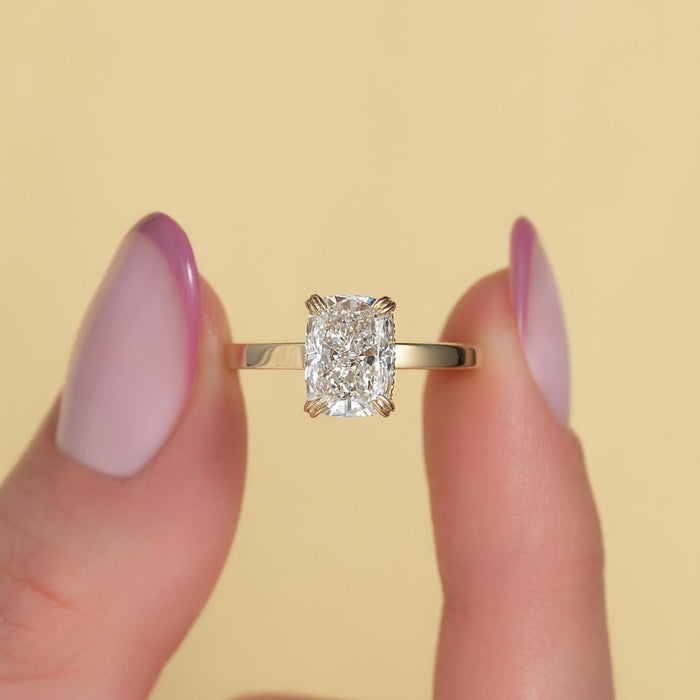
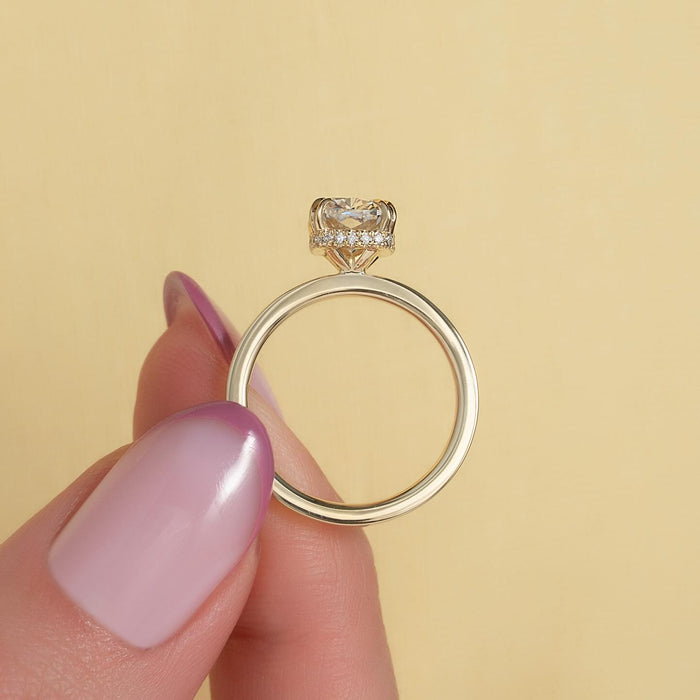
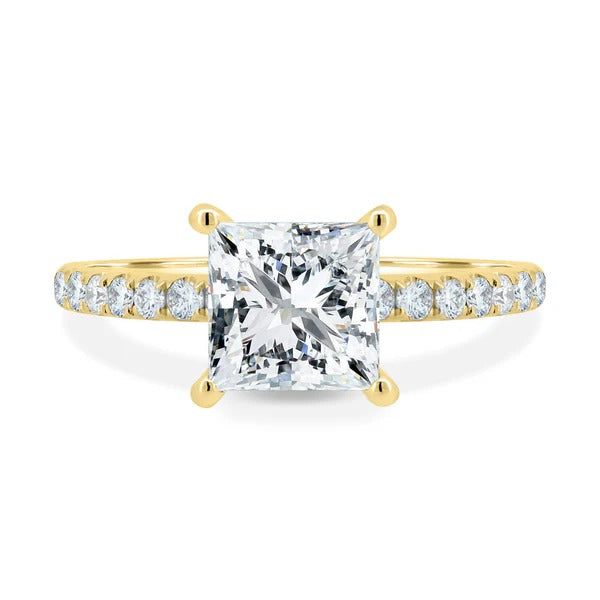
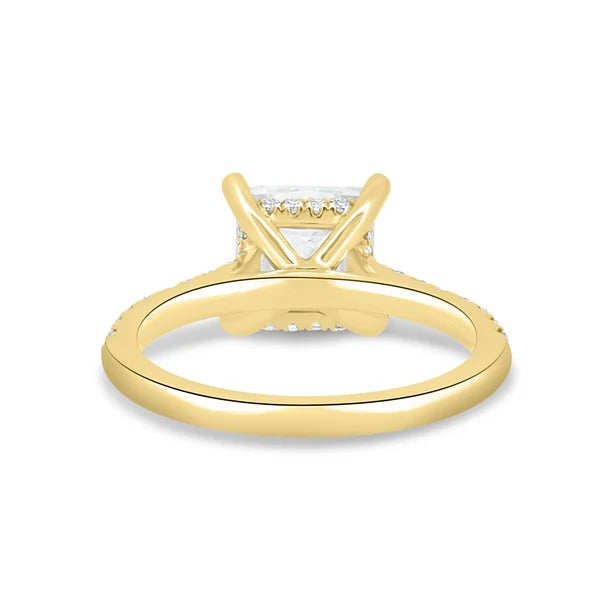
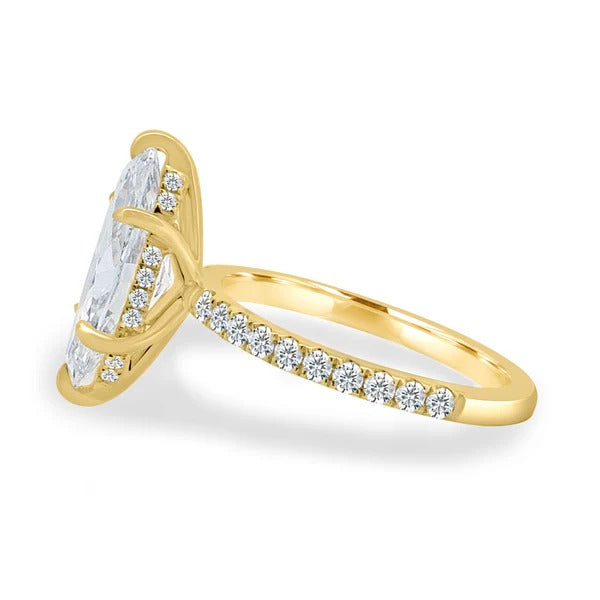
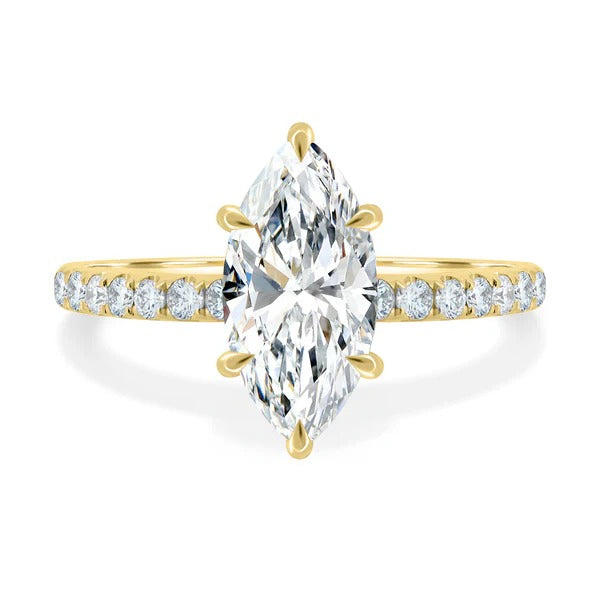
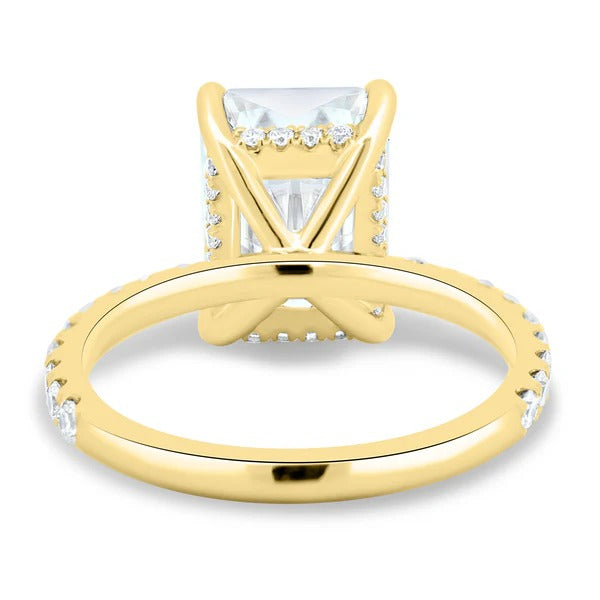
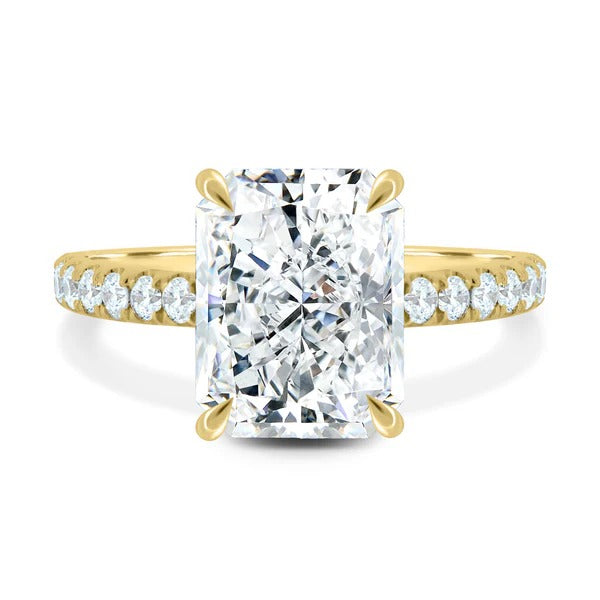
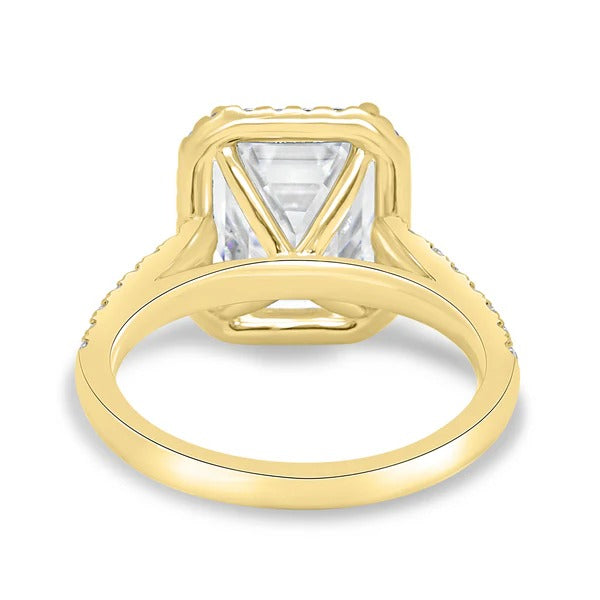
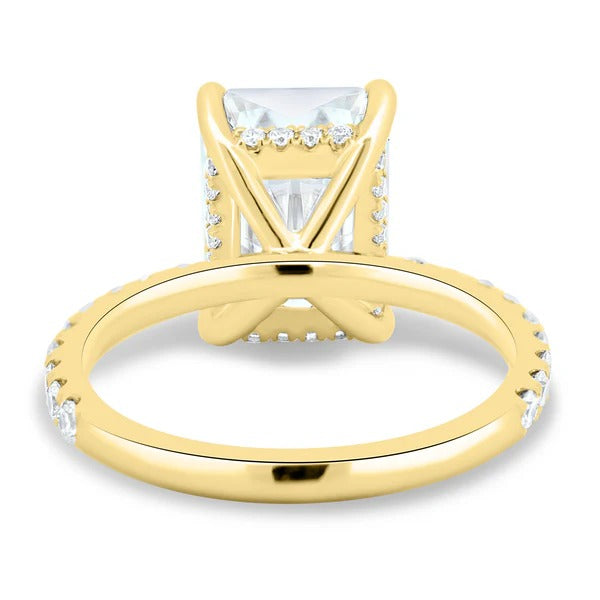
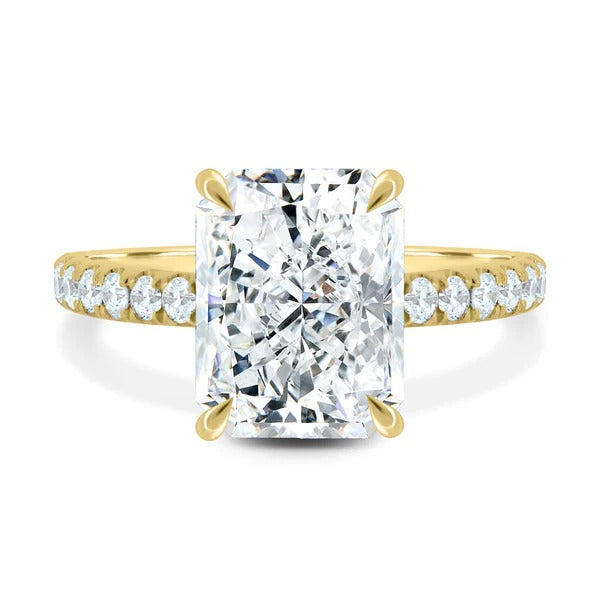
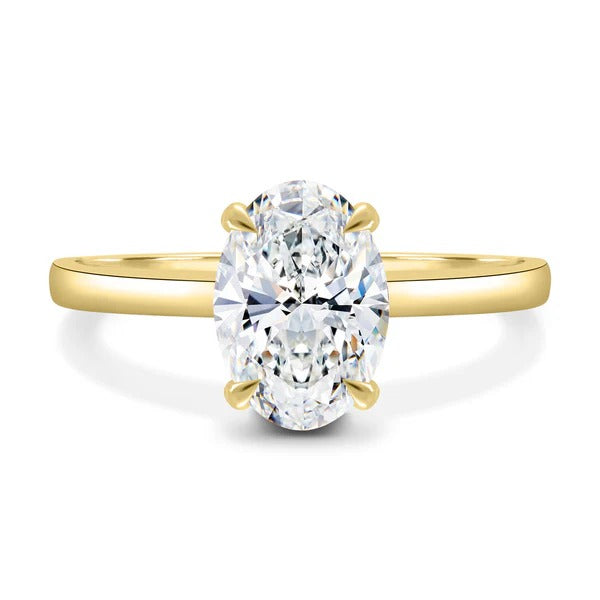
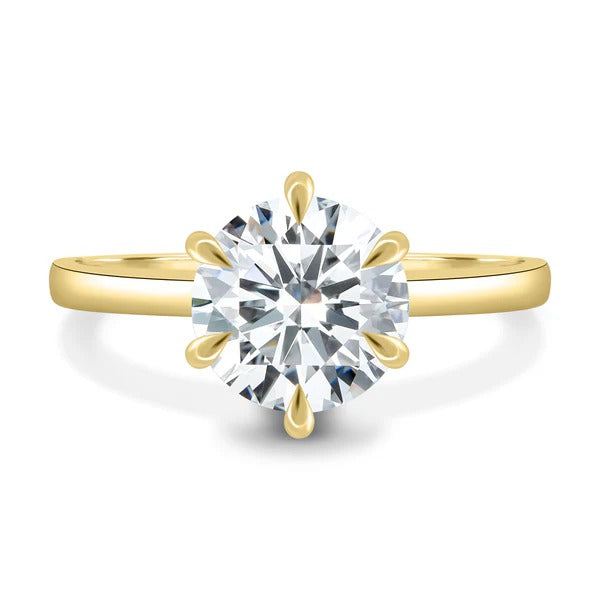
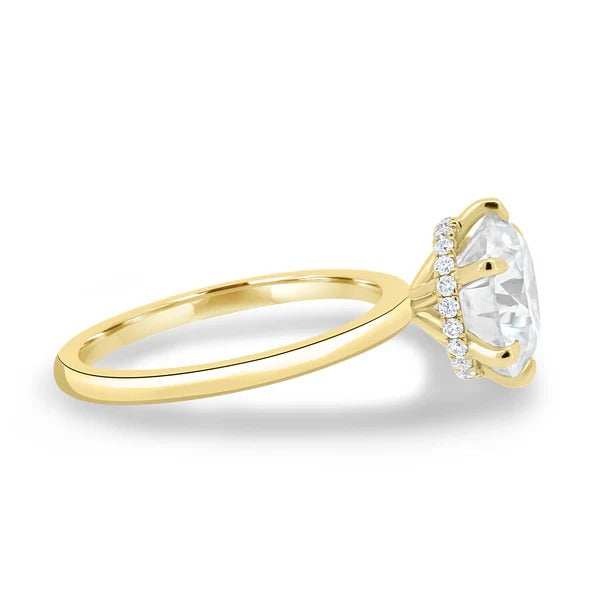
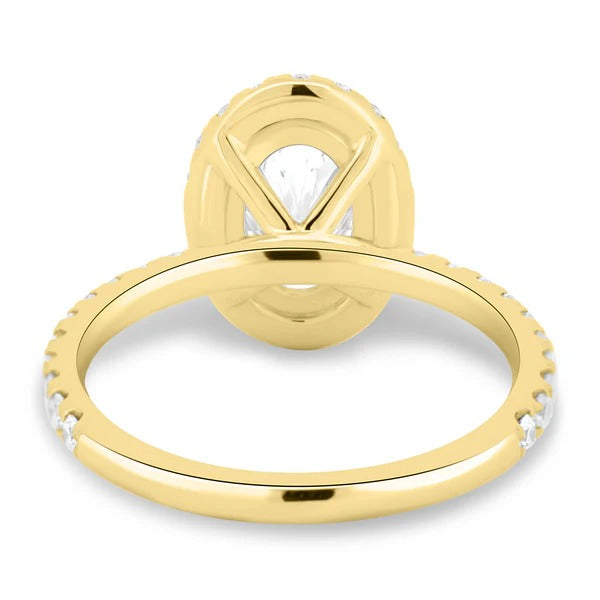
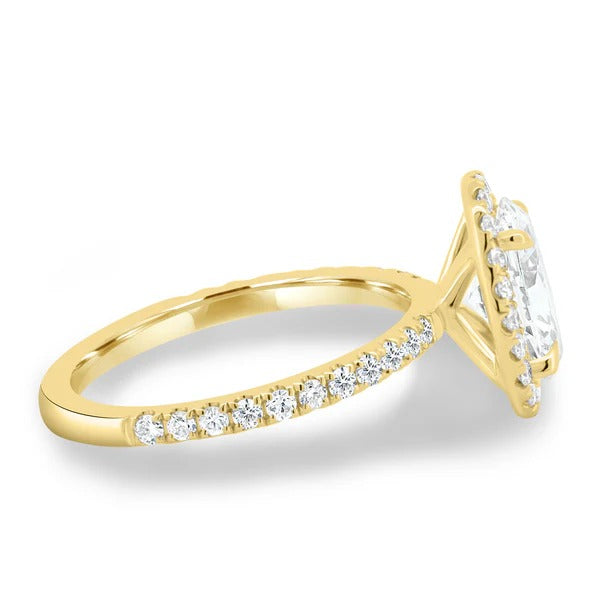
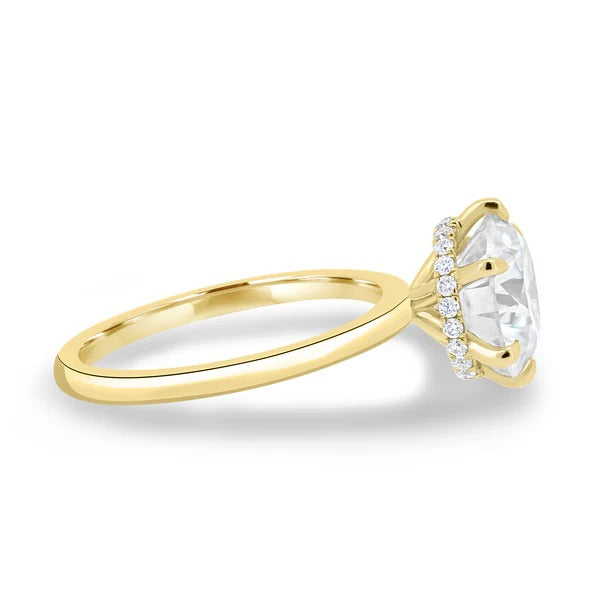
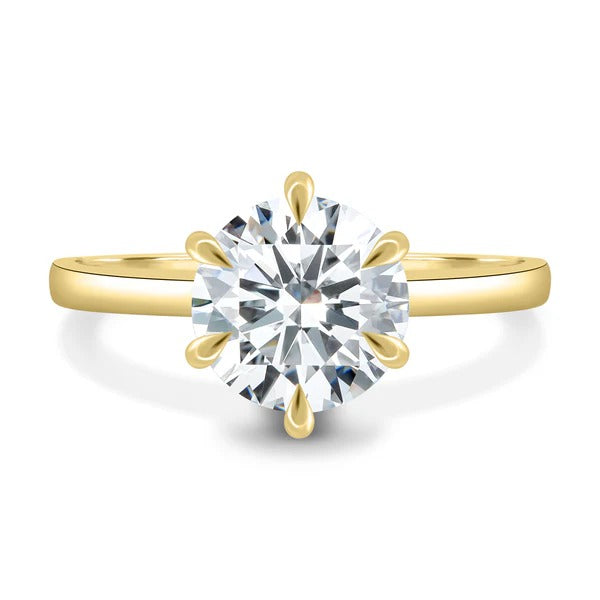
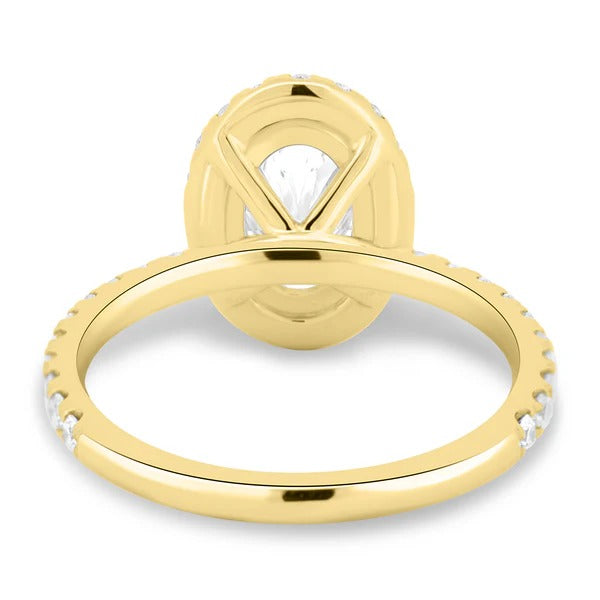
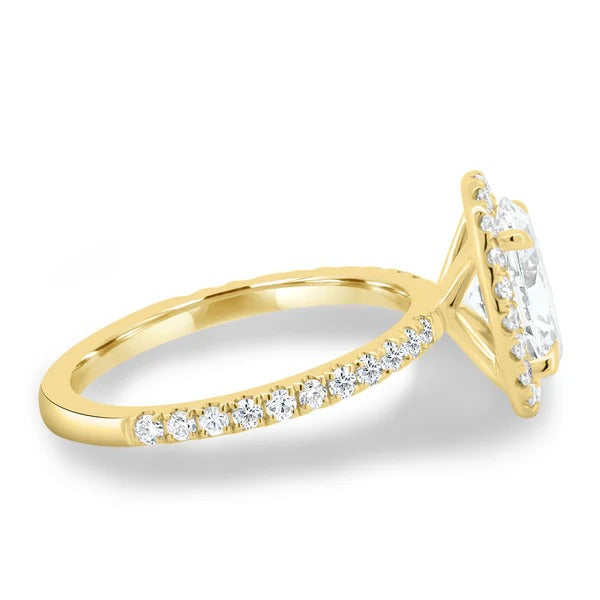
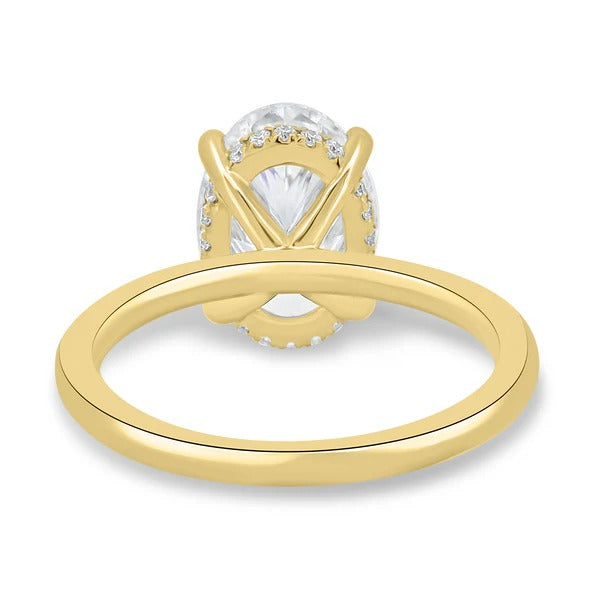
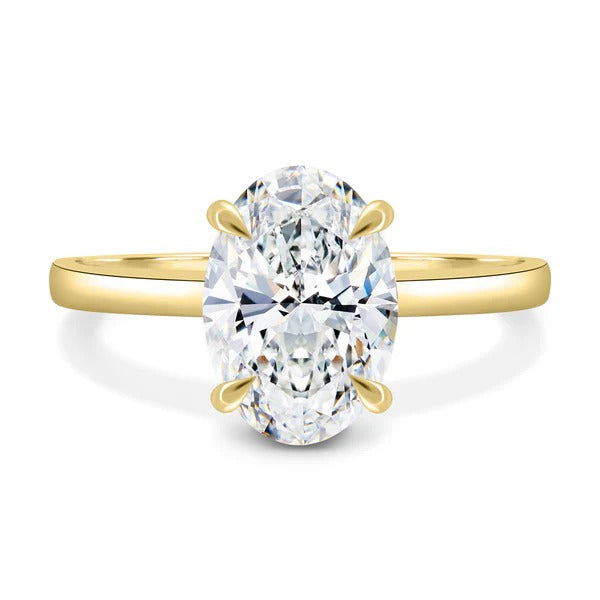
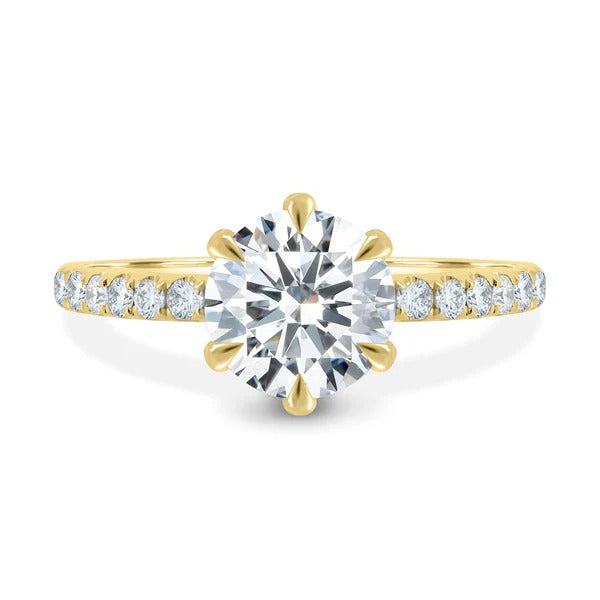
Six Claw Round Diamond Solitaire Ring with Hidden Halo and Collar
$142.00$177.50



Loading more
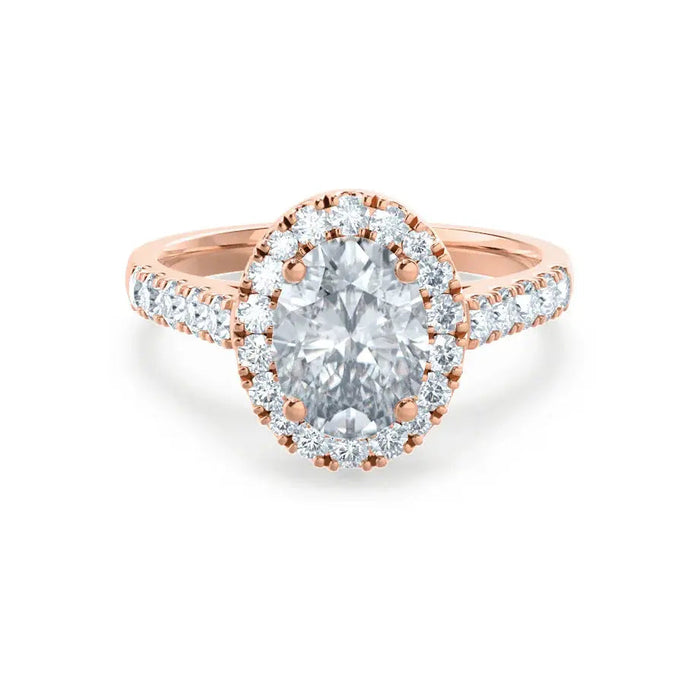
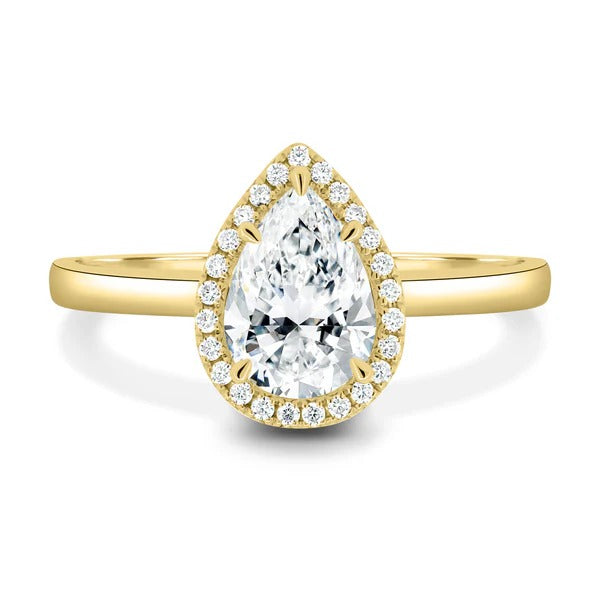
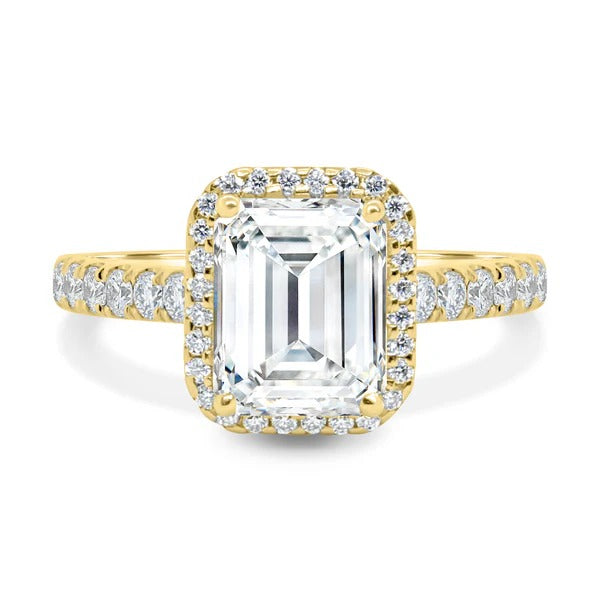
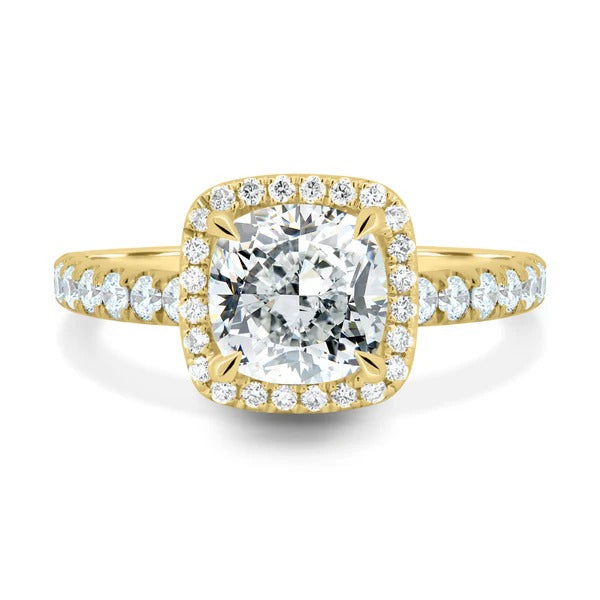
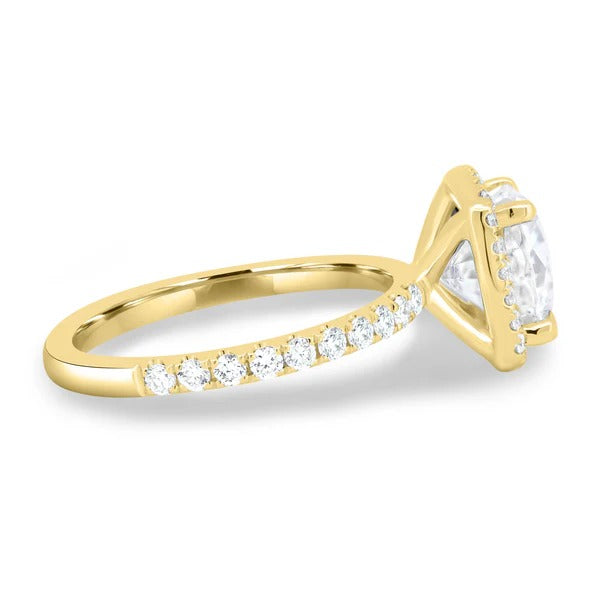
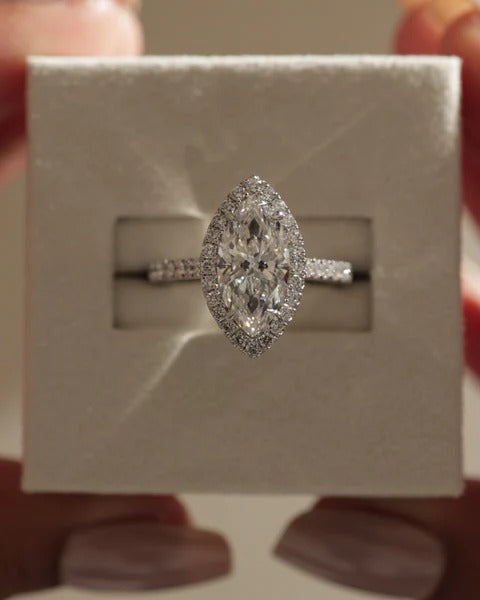
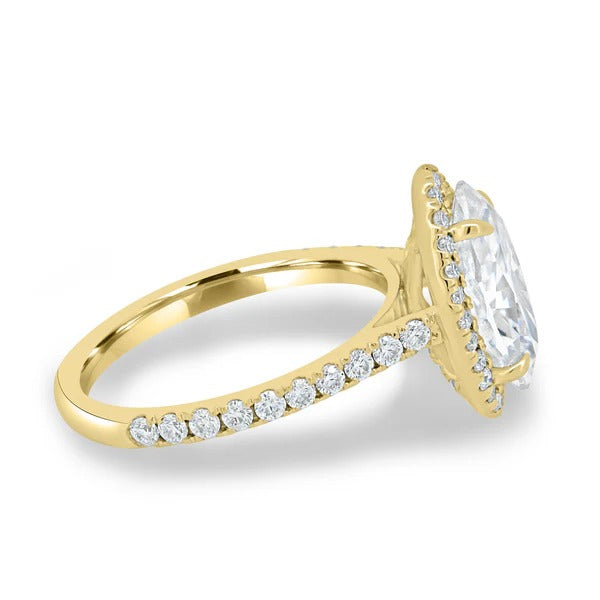
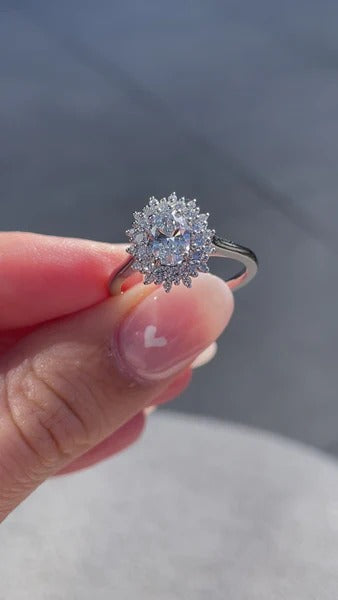
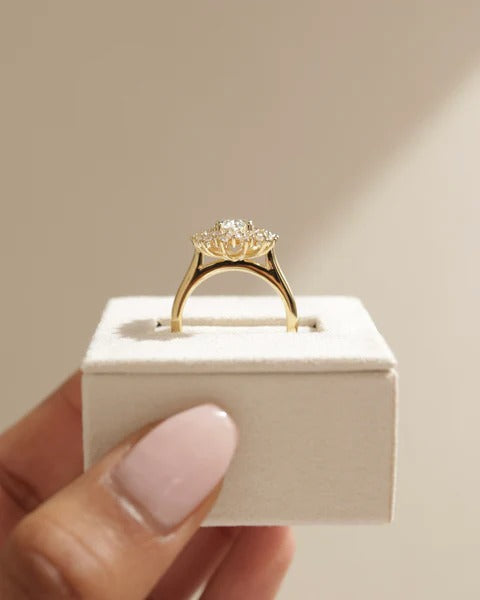
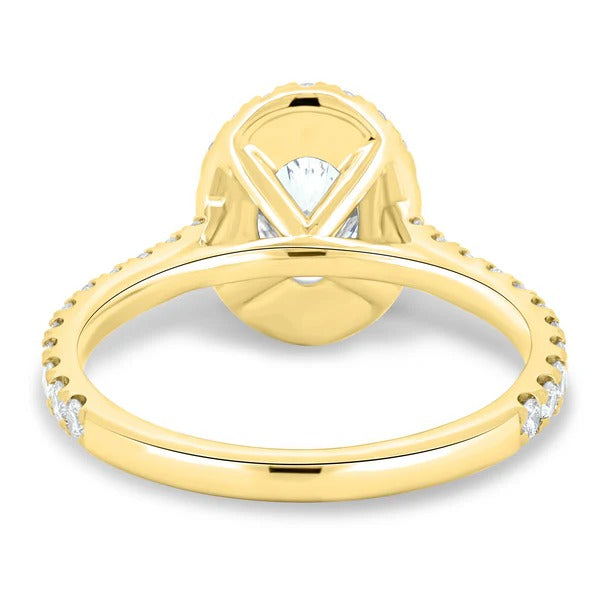
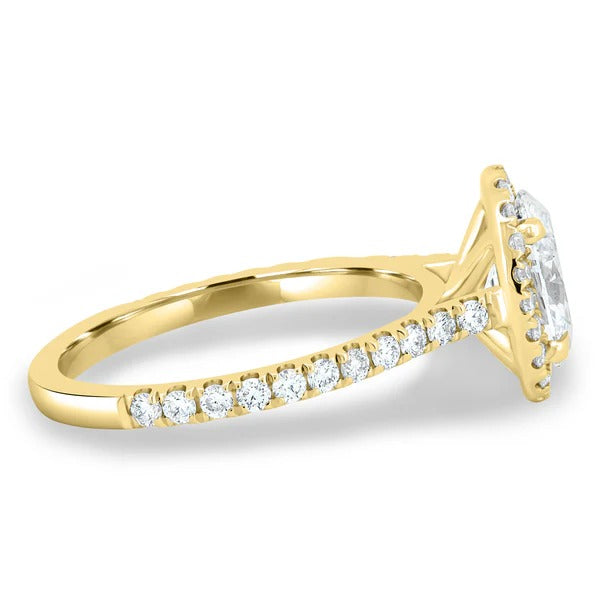
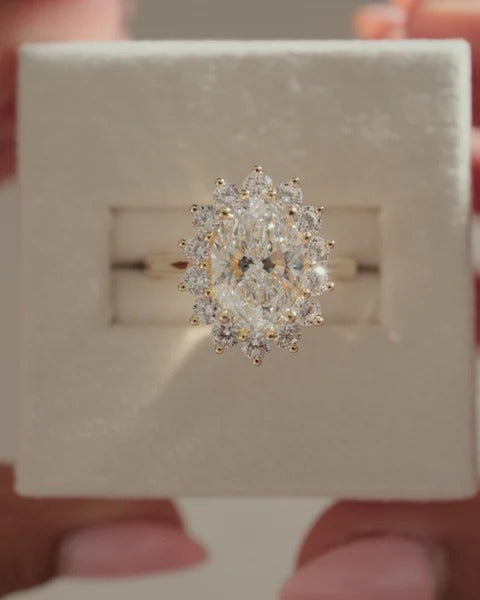
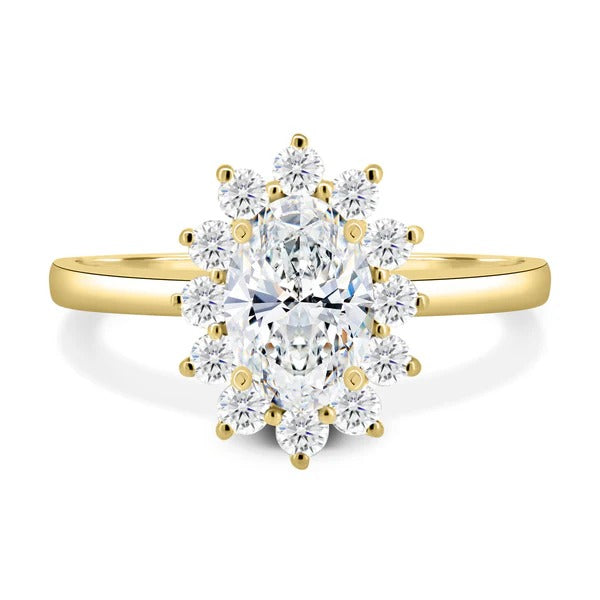
Moissanite halo engagement rings, handcrafted to order in solid 10K, 14K and 18K gold or 925 sterling silver. A halo frames the centre stone with a ring of smaller stones, making it read roughly half a carat larger than it is — the most cost-effective way to gain visual size. Choose classic, hidden or double halo, and approve a free 3D CAD render before we cast anything.
The practical appeal of a halo is measurable: a well-proportioned halo makes the centre stone read roughly half a carat larger than it is. A 1 ct centre in a halo has about the visual footprint of a 1.5 ct solitaire, for considerably less. If getting the most apparent size for your budget is the goal, this is the setting that does it.
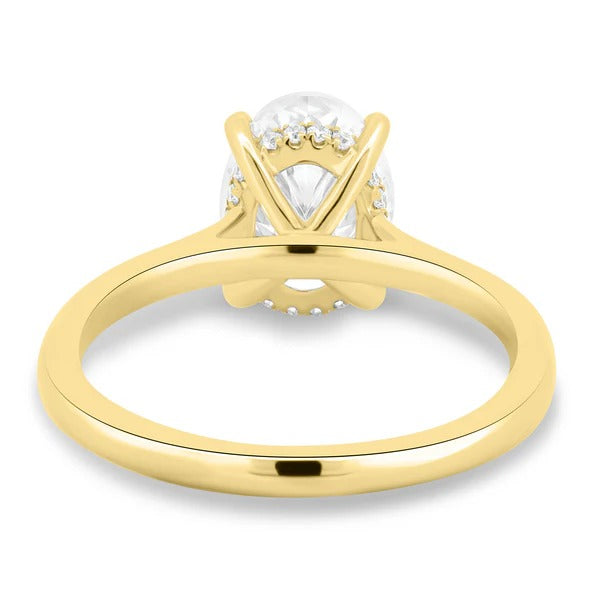
There are three variants worth knowing apart:
The trade-off to be honest about: more small stones means more settings, more places for dirt to collect and more accent stones that could eventually work loose. A halo needs cleaning more often than a solitaire. It is not fragile, but it is not maintenance-free either.
With a halo, the number that matters is the total outer diameter of the ring, not the centre stone alone.
| Centre (DEW) | Centre diameter | Approx. outer diameter with a classic halo |
|---|---|---|
| 0.75 ct | 5.8 mm | ≈ 8.0 mm |
| 1.00 ct | 6.5 mm | ≈ 8.7 mm |
| 1.50 ct | 7.5 mm | ≈ 9.7 mm |
| 2.00 ct | 8.1 mm | ≈ 10.3 mm |
On a finger below about size 5, a double halo around a 2 ct centre will cover most of the width of the finger. If you have a smaller hand and still want a halo, a hidden halo gives you the detail without the added footprint.
A halo has many small prongs holding small stones, and fine detail holds up differently in different karats. 10K and 14K gold are the hardest of the golds and keep tiny prongs crisp longest — 14K is the sensible default. 18K is warmer and richer but softer, so fine halo prongs wear faster and need checking more often. 925 sterling silver is the lowest-cost route and fine for occasional wear, but it is soft enough that a halo's small settings are more likely to loosen over years of daily use.
Matching the halo metal to the centre stone's colour is worth a thought: a white metal halo around a colourless centre keeps everything reading white, while a yellow gold halo will warm the appearance of the centre stone slightly.
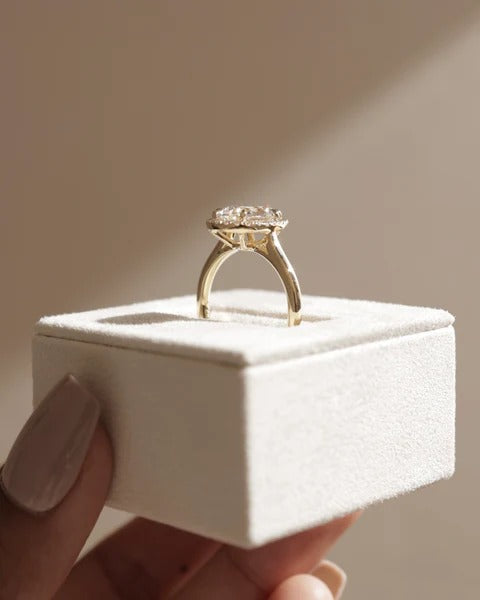
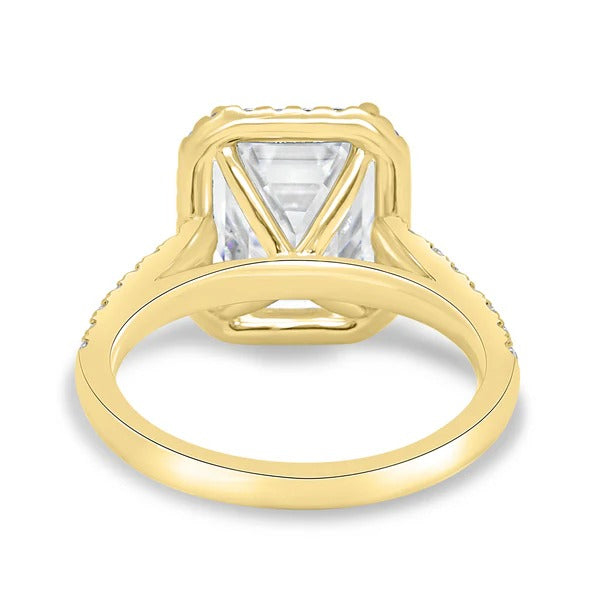
Halo proportions are difficult to judge from a product photo, because a photograph flattens how high the centre sits and how wide the halo really is. We model your ring in 3D and send the render so you can see the actual ratio between centre and halo, and how tall the setting stands off your finger. Ask for a tighter halo, a thinner band, a hidden halo instead — we re-render free, as many times as needed, and cast only after you approve.
Does a halo really make the stone look bigger?
Yes — roughly half a carat's worth of apparent size for a classic halo. It is the most cost-effective way to increase visual size. A hidden halo does not do this; it adds sparkle from the side but leaves the outline unchanged.
Do the small halo stones fall out?
Not commonly, but it is the most common repair on any halo ring from any maker. Having the prongs checked every year or two is sensible, particularly in 18K gold or silver, which are softer.
Is a halo harder to keep clean?
Yes. Lotion and skin oil collect under the accent stones and dull the sparkle. Warm water, a drop of dish soap and a soft toothbrush once a fortnight is enough.
Will a wedding band sit flush against a halo ring?
Usually not — a halo extends past the band line, so a straight band leaves a gap. A contoured band shaped around the halo solves it. We can design both together and render them as a pair.